
The Psychology of Corporate Gifting: Why It Matters More Than You Think

Corporate gifting is about more than giving someone a gift, or a product branded with your company logo. The right corporate gift can recognise achievement, strengthen relationships, and reinforce company values, while creating a lasting emotional connection.
So, why does corporate gifting work? The answer lies partly in psychology.
Why Do We Give Gifts?
It sounds like a simple question, but psychology helps us to understand that gifting is surprisingly complex. Research into gift-giving helps us understand that gifts communicate meaning beyond their monetary value. In a business context, a well-chosen corporate gift can say:
I noticed. I value you. I remember what you’ve done. Our relationship matters.
This is particularly important when organisations are recognising employees, thanking customers, or strengthening business relationships. Whether the gift is low-value or luxurious, the sentiment behind it can be just as important as the gift itself. That is why effective corporate gifting should consider both the gift and the sentiment.
Corporate Gifting Is More Than a Cost
Because a corporate gift carries meaning, it deserves more thought than simply selecting a product and branding then arranging delivery. For HR, Sales and Marketing teams, corporate gifting is part of a wider strategy for employee recognition, employee engagement, customer loyalty, and relationship building.
The question should not simply be: ‘What can we buy for €50?’
It should be: ‘What can we give that will make this person feel recognised and valued?’
This change in perspective transforms the way an organisation approaches corporate gifts. Working with an experienced corporate gifting partner ensures the process is carefully planned, professionally delivered, and aligned with your objectives.
The Perceived Value of Corporate Gifts
The value of a corporate gift isn’t determined solely by its price. A useful, thoughtful and relevant gift costing €50 may have considerably more perceived value than a generic gift costing twice as much.
Why? Because recipients don’t simply assess the financial value of a gift. They also interpret the thought, relevance and effort behind it.
This is where the psychology of corporate gifting becomes particularly interesting.
Tangible Gifts vs Cash
When an employee receives cash, it is usually absorbed into everyday spending. It pays a bill, goes towards the weekly shop, or disappears into a bank account.
A tangible gift, on the other hand, creates a physical reminder of the occasion.
An employee keeps a quality jacket, branded notebook, premium bag or carefully curated swag box for years. In their mind it is associated with a particular achievement, milestone or relationship.
And that gives the gift a value that goes far beyond its cost.
The Psychology of Reciprocity
One of the most interesting psychological principles associated with gifting is reciprocity. Put simply, when someone does something positive for us, we often feel inclined to respond positively in return.
Research published in the American Economic Review provides an interesting insight into how this can operate in the workplace. In a controlled workplace experiment, Sebastian Kube, Michel Maréchal and Clemens Puppe compared monetary and non-monetary gifts. They found that non-monetary gifts generated a stronger positive effect on employee performance than monetary gifts of equivalent value. Interestingly, employees themselves preferred money when given the choice. Yet their subsequent behaviour suggested that the non-monetary gift generated a stronger reciprocal response.
The researchers concluded that the thought and effort associated with a gift influences how it is perceived. This helps explain why tangible employee recognition can be so powerful.
A tangible gift becomes a physical symbol of an employee’s contribution – something they can see, use and remember.
Corporate Gifts and Employee Recognition
This has particular relevance to employee recognition. Employees want to know that their contribution matters. Recognition can take many forms, from a personal thank-you to a promotion or financial reward.
A thoughtfully selected employee recognition gift adds another dimension because it makes the recognition tangible. For example, an organisation celebrating five, ten or twenty years of service could simply acknowledge the milestone in an email. Alternatively, it can mark the occasion with a quality gift that reflects the employee’s contribution and is presented in a meaningful way.
The product itself is only part of the experience. The occasion, the message, and the presentation all contribute to the perceived value of the gift.
Corporate Gift Ideas That Create an Impact
There is no single ‘best’ corporate gift. The right choice depends on the recipient, the occasion, your organisation, budget and the message you want to communicate.
Some popular options include:
Swag Boxes
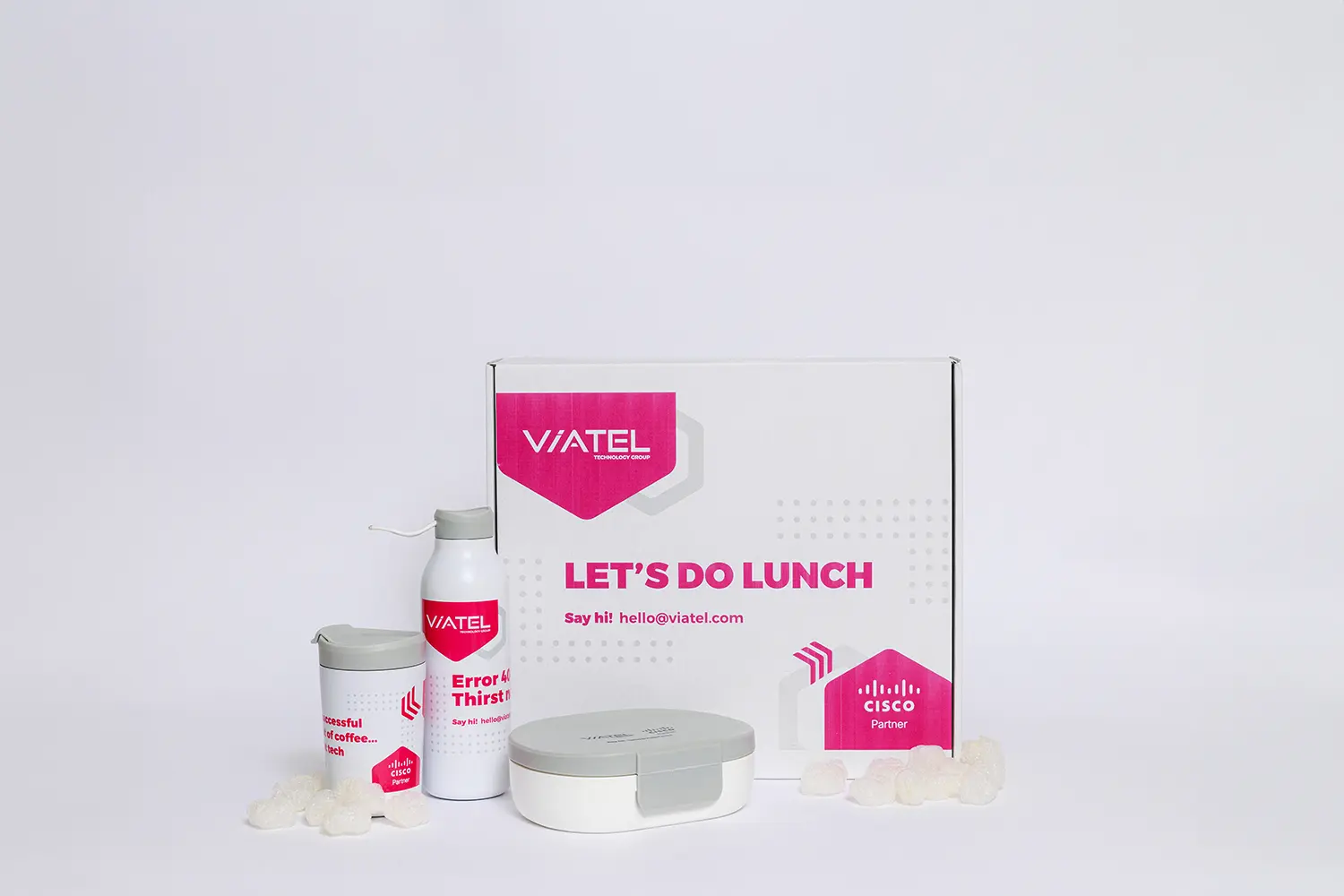
Branded swag boxes let you combine several products into one curated corporate gift: from premium products branded with your logo, Irish-made crafts and award-winning Irish produce. They can be used for employee onboarding, years-of-service awards, retirement gifts, client gifting, and outreach campaigns.
These branded gift boxes are cut to fit your selected products and are designed to reflect your branding for maximum impact.
Glass Awards and Trophies
Glass awards and trophies can be manufactured from many different materials. Popular materials include glass or crystal awards, engraved with your logo and message. In recent years, wood has become more popular as a material from which to manufacture awards.
All awards can be engraved or printed with a company logo and personalised with individual’s names.
For industry awards, custom awards support the prestige of the event. A uniquely designed award or trophy presented to winning individuals, teams, or companies makes the right impact.
The good news is that awards make from wood and glass are also fully recyclable.
Premium Gifts
When you give luxury corporate gifts, they reflect your company’s values and commitment to excellence. Premium brand gifts show your employees and clients how much you value their loyalty. They also appreciate high quality promotional gifts, custom branded with your logo.
Premium brands like The North Face, Victorinox, Foxford Woollen Mills, and Sony are always a hit. These thoughtful, well-curated gifts show appreciation and help build relationships with employees, customers and prospects.
With the 2027 Ryder Cup approaching, brands like J Lindeberg and Haglofs, Berghaus and Columbia, Thule and Fjallraven are considered premium corporate gifts to give to visiting colleagues, customers and business partners. They will keep them warm, dry, and allow them to carry their phones, power banks, umbrellas, bottles (even lip balm) – comfortably.
Umbrellas
We have to mention umbrellas! Sometimes the most effective corporate gift is something people genuinely need and use daily.
In Ireland, an umbrella is a particularly practical choice. From classic umbrellas to golf umbrellas, there are options to suit different brands, budgets, and occasions.

A useful gift has another psychological advantage: the more frequently it is used, the more opportunities there are for the recipient to see and remember the organisation behind it. Equally, the more your branded umbrella is used – at sports events, round town etc., the more you brand is seen by others, including prospective clients.
Sustainable Corporate Gifting
Sustainability is also becoming increasingly important when organisations choose corporate gifts in Ireland. For employees and customers, the sustainability credentials of a product influence how they perceive the organisation giving it. It doesn’t mean choosing the most expensive eco-friendly product available. It means considering:
- Is the product designed to be used repeatedly?
- Is it durable?
- What materials is it made from?
- Can it be recycled, repaired, or reused?
- Is the packaging appropriate?
- Does the product reflect our organisation’s values?
A sustainable corporate gift achieves two objectives simultaneously. It recognises the recipient while reinforcing the organisation’s wider values.
Corporate Gifting as Part of Your Employee Experience
For HR professionals, corporate employee gifting plays a useful, helpful role within the wider employee experience. Consider the moments that matter during an employee’s journey:
Joining → Milestones → Recognition → Celebration → Retirement
Each stage represents an opportunity to reinforce the relationship between employee and organisation. A thoughtful employee gift doesn’t replace good management, meaningful work or competitive remuneration. But it can complement these things by providing a tangible expression of appreciation. And because the gift remains long after the moment has passed, its positive psychological impact also last longer.
Corporate Gifting – Enhancing the Customer Experience
From a customer attraction and retention perspective, corporate customer gifting also has a significant impact. For example, gifts are useful in outreach campaigns where the gifts lands on a target’s desk. Your digital marketing efforts may never be seen.
Target Prospects → Outreach → New customers → Events → Seasonal
A new customer will be delighted to receive your client onboarding pack. A branded gift box, packed with gifts and goodies sets a positive tone. You can also include company literature or brochures.
Events like trade fairs require a range of branded gifts that can be tiered for existing clients and casual visitors. Festive seasons are also a great opportunity to show appreciation to existing clients with a thoughtful gift.
The real value of corporate gifting
Corporate gifting done well reinforces relationships, recognises contribution, and makes important moments memorable. Today, organisations are competing for talented, loyal employees. They are also competing for new customers while working hard to strengthen existing relationships.
Understanding the psychology of corporate gifting can therefore help organisations think more strategically about how they recognise people and build relationships. Gift Innovations are here to support and guide your efforts.
Email: info@giftinnovations.ie Phone: 00353 (0)61 306 006
References
Kube, S., Maréchal, M. A. & Puppe, C. (2012). “The Currency of Reciprocity: Gift Exchange in the Workplace.” American Economic Review, 102(4), 1644–1662.
The study examined the effects of monetary and non-monetary gifts in a workplace setting and found that non-monetary gifts could generate stronger reciprocal performance effects than monetary gifts of equivalent value.
About the Author: Dr. Paul Gadie is the Managing Director of Gift Innovations with wide experience in the corporate gifting industry. He holds various degrees including a doctorate in Theology, which focuses on leadership. He has worked in academia, researching, and lecturing in Theology & Religious Studies and managing academic partnerships across the UK, Europe, and Africa. He is also a published author; in his research, he encourages the development of leaders with a vision to work with and persuade others, rather than to control and command them.