
Celebrating Employee Loyalty: Recognising Career Milestones with Tangible Gifts

In today’s competitive job market, employee loyalty cannot be taken for granted. Recognising staff career milestones is one of the most effective ways HR leaders can show appreciation for long-term commitment. While verbal praise and monetary incentives are useful, tangible gifts offer lasting value. They create tangible memories and reinforce positive connections. Celebrating these important moments shows respect for staff contributions, strengthens culture, and ensures loyalty is never overlooked.
Why career milestones deserve recognition
Career milestones mark more than just time spent in a job. They symbolise years of dedication, skills development, and contributions to your organisation’s success. For HR professionals in Ireland, celebrating these moments provides several benefits.
- It reinforces employee loyalty and signals appreciation.
- It strengthens engagement and morale.
- It builds a company’s reputation for valuing people – not just their performance!
In short, career milestones are golden opportunities to celebrate individual achievement and company progress.
The case for tangible gifts for recognising employees
Recognition takes many forms, but tangible gifts in the workplace have a unique and lasting impact. Unlike cash bonuses or vouchers that are quickly spent and forgotten, physical gifts serve as visible reminders of employee appreciation. High-quality, tangible gifts spark pride and start conversations. They connect the employee emotionally to their company, reminding them of their valued role. Tangible gifts also make the milestone more memorable because they endure long after the celebration itself.
Research consistently shows that when employees feel valued, they are more motivated, and so more likely to stay. For HR leaders, this means reduced turnover, lower recruitment costs, and a more stable workforce. In an environment where attracting talent is difficult, tangible loyalty awards for employees can be your unique advantage.

Comparing tangible gifts with vouchers or bonuses
While vouchers and cash have a place, they rarely carry the same long-term meaning as well-chosen gifts.
| Option | Short-Term Impact | Long-Term Value | Emotional Connection | Visibility |
| Cash Bonus | High | Low | Limited | None |
| Vouchers | Medium | Low | Limited | None |
| Tangible Gifts | Medium | High | Strong | Visible |
After all, how can you put a monetary value on years of service? Work anniversaries deserve more than a generic gift voucher. Your staff’s special milestones deserve premium, tangible gifts. They combine practicality with emotional impact, making them ideal for celebrating years of service – and retirements.
Tax-free employee gifts
Are you missing out on the many generous tax-free benefits of gift-giving? Tangible gifts are tax-free under Revenue’s Small Benefits Exemption scheme and their Long Service Awards allowance.
From January 2025, changes to Revenue’s Small Benefit Exemption scheme allow employers greater flexibility to recognise and reward employees throughout the year, in a tax-efficient manner.
- The annual allowance for non-cash benefits (including tangible gifts) increased from €1000 to €1,500 per employee. PAYE, PRSI, USC need not be applied to the benefit.
- The number of occasions allowed to give non-cash benefits to employees increased from 2 to5 times per year.
These changes to the Small Benefit Exemption scheme offer employers opportunities to show appreciation to employees and grow a happier workforce.
Long Service Awards (LSA) allowance
Revenue also offers generous tax relief with their Long Service Awards allowance, ONLY when the awards take the form of tangible gifts. PAYE, PRSI or USC need not be applied to the benefit. The allowance is €50 for each year of service, starting at 20 years and every five years thereafter. This represents up to 57% savings over long service awards made in the form of cash or vouchers.
- The award must be made to mark long service of not less than 20 years
- The award must be tangible (that is, not vouchers, bonds, or cash)
- The cost is not more than €50 for each year of service
- No similar award has been made to the employee within the previous 5 years
The Long Service Awards allowance is separate, and in addition, to the Small Benefit Exemption scheme.
Branded gifts for employees
Most employees eligible for service awards will fall into the 1 – 3 year category, so it is important to find a cost-effective solution. Quality promotional products, branded with your logo, are ideal for lower budgets and can be purchased in bulk. To celebrate them, organise a get-together to publicly recognise employees and present them with a gift, such as a Cross pen or gift set, branded with your logo.
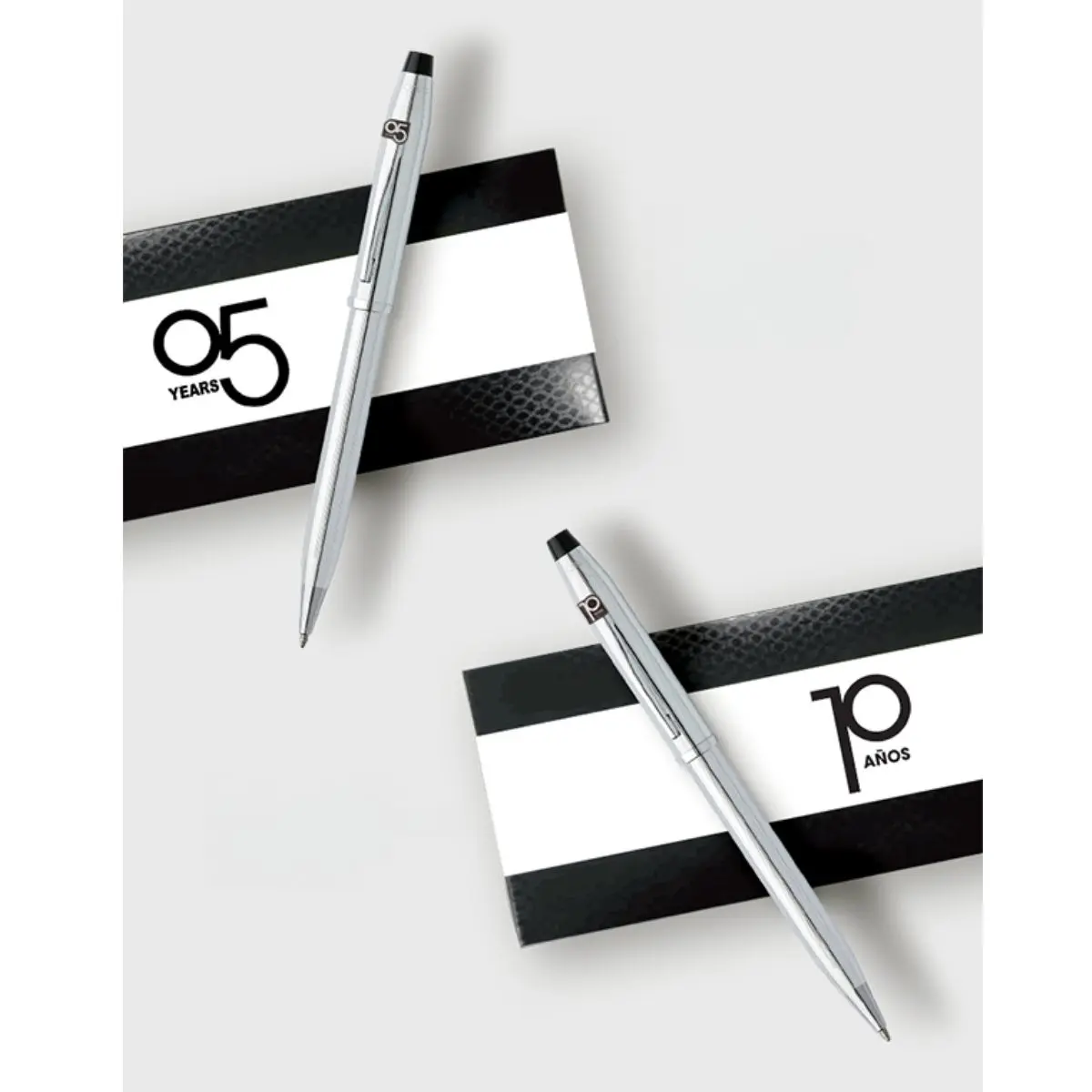
Personalise service awards
Personalised Awards & Trophies are also a meaningful way to recognise employees for their commitment, loyalty and dedication to an organisation. Each award can be engraved or printed with the recipient’s name and years of service, creating a lasting and personal keepsake to mark their anniversary.

Final thoughts on loyalty awards for employees
Celebrating employee loyalty is more than a symbolic gesture; it is a positive business strategy. By then recognising career milestones with tangible gifts, organisations show respect for the past, gratitude for the present, and commitment to the future.
A staff loyalty programme, using premium tangible gifts, recognises employees and creates moments that they will treasure. For Irish HR leaders, the opportunity is clear: tangible gifts transform career milestones into lasting memories, which strengthen company culture, and help ensure that loyalty is celebrated at every stage of their employees’ journey.
About the Author: Dr. Paul Gadie is the Managing Director of Gift Innovations with wide experience in the corporate gifting industry. He holds various degrees including a doctorate in Theology, which focuses on leadership. He has worked in academia, researching, and lecturing in Theology & Religious Studies and managing academic partnerships across the UK, Europe, and Africa. He is also a published author; in his research, he encourages the development of leaders with a vision to work with and persuade others, rather than to control and command them.